


What are tariffs and how do they work?
Tariffs are taxes imposed by a government on imported goods. Think of them as a toll for bringing foreign products into a country. They increase the cost of imported goods, making them more expensive for consumers. The goal? To protect domestic industries by making foreign products less competitive.
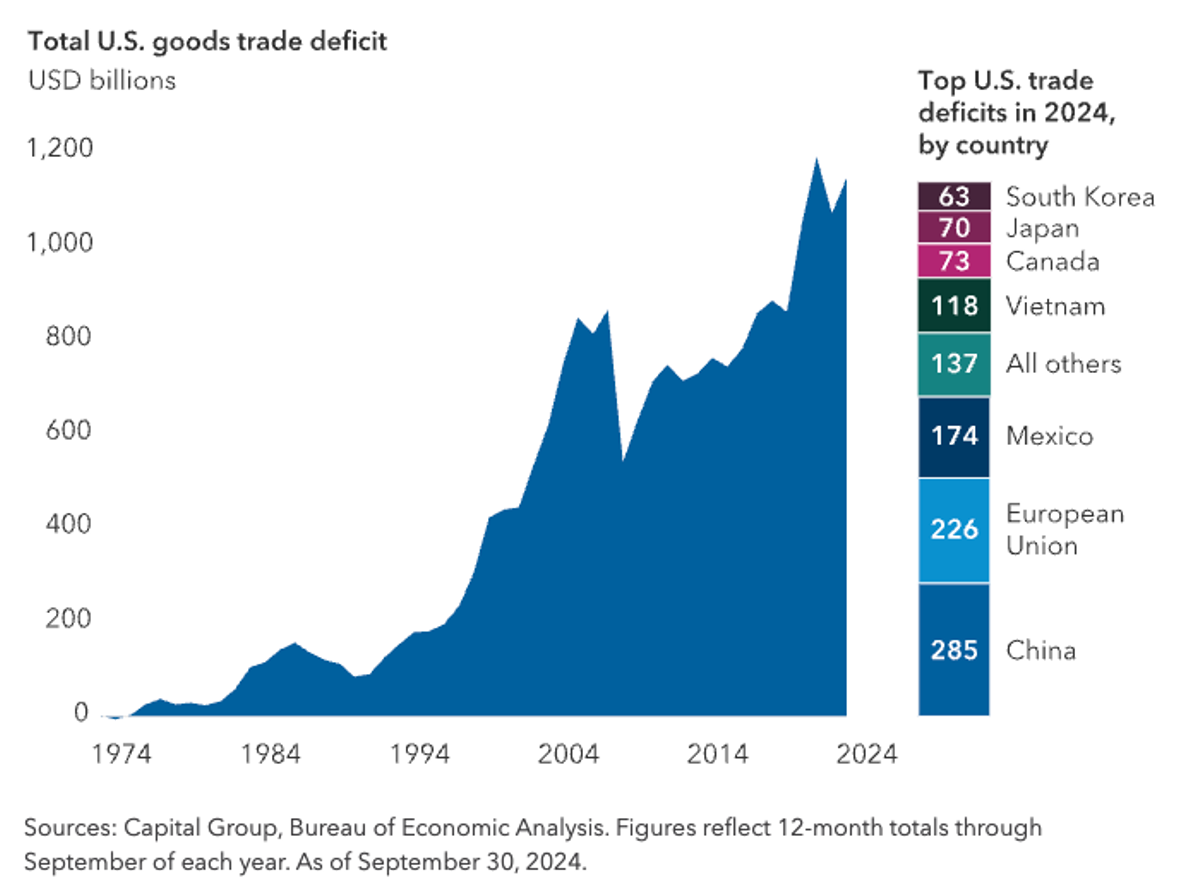
Figure 1 - https://www.capitalgroup.com/pcs/insights/articles/understanding-tariffs-5-charts.html
Historical Highs & Lows: Tariffs in Action
The United States' Early Industrialization (1789-1830s): Alexander Hamilton, the first Secretary of the Treasury, advocated for protective tariffs in his "Report on Manufactures" (1791). He argued that American industries needed protection from established European competitors. Early tariff acts, such as the Tariff Act of 1789, imposed duties on imported goods to encourage domestic manufacturing. This helped to nurture industries like textiles and iron production, laying the foundation for American industrial growth. The idea was to allow these “infant industries” to grow to a point where they could compete on a global scale.
Post-World War II Japan (1950s-1960s): After World War II, Japan implemented a strategic industrial policy that included targeted tariffs and import restrictions. These measures were used to protect key industries, such as steel, shipbuilding, and automobiles, while they rebuilt and modernized. The Japanese government also provided subsidies and other forms of support to these industries, helping them to become globally competitive. This policy allowed Japan to rebuild its economy, and to become a global exporter.
The British Corn Laws (1815-1846): Tariffs were placed on imported grain ("corn" in British English) to protect domestic landowners and farmers. The tariffs artificially inflated the price of bread, leading to hardship for the working class and the poor. The laws were highly controversial and became a symbol of class inequality. Ultimately, after years of political agitation, the Corn Laws were repealed in 1846, demonstrating the negative consequences of protectionist policies that raise the cost of essential goods and cause social unrest.
The Fordney-McCumber Tariff Act (1922):This act raised tariffs on imported goods, aiming to protect American industries and agriculture from foreign competition. While it did provide some short-term benefits to certain domestic sectors, it also had negative consequences. It hindered international trade, making it harder for European nations to repay their war debts to the United States. It contributed to a global economic imbalance and, ultimately, set the stage for further protectionist measures, like the Smoot-Hawley Tariff Act.
The Smoot-Hawley Tariff Act (1930): This dramatically increased US tariffs on thousands of imported goods during the Great Depression. In response, other countries imposed retaliatory tariffs on American exports, leading to a sharp decline in international trade and worsening the economic crisis.
Tariffs & Today's Consumer
· Higher prices: Imported goods, such as electronics, clothing, and food, become more expensive, potentially leading to inflation.
· Limited choices: Reduced competition can lead to fewer product options and less innovation.
· Retaliatory tariffs can raise prices on exports, impacting farmers and other export-oriented industries.
Tariffs & Today's Investor
· Increased uncertainty: Trade disputes create market volatility, making it difficult to predict future earnings and investment returns.
· Supply chain disruptions: Tariffs can disrupt global supply chains, impacting company profits and leading to shortages of essential components.
· Sector-specific impacts: Industries reliant on imports or exports, such as the automotive, technology, and agriculture sectors, are particularly vulnerable.
· 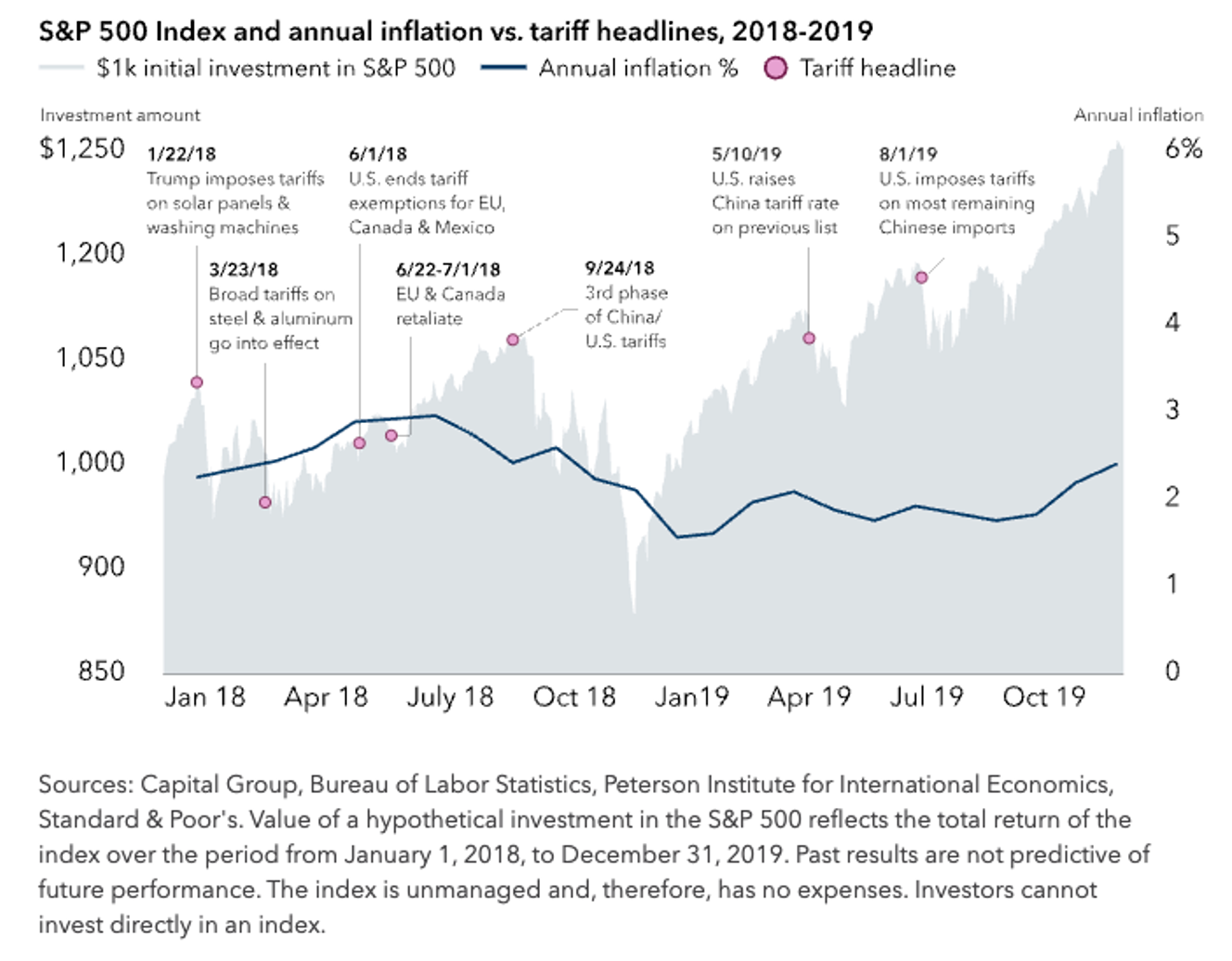
Figure 2 - A historical look at tariffs during President Trump’s first presidency:https://www.capitalgroup.com/pcs/insights/articles/understanding-tariffs-5-charts.html
Concluding Thoughts
Tariffs are a complex economic tool with both potential benefits and significant risks. While they can protect domestic industries, they can also lead to higher prices, trade wars, and market uncertainty. In today's interconnected global economy, the impact of tariffs can be far-reaching and complex. It is important to remember that tariffs are one tool of many that governments use to conduct trade policy.